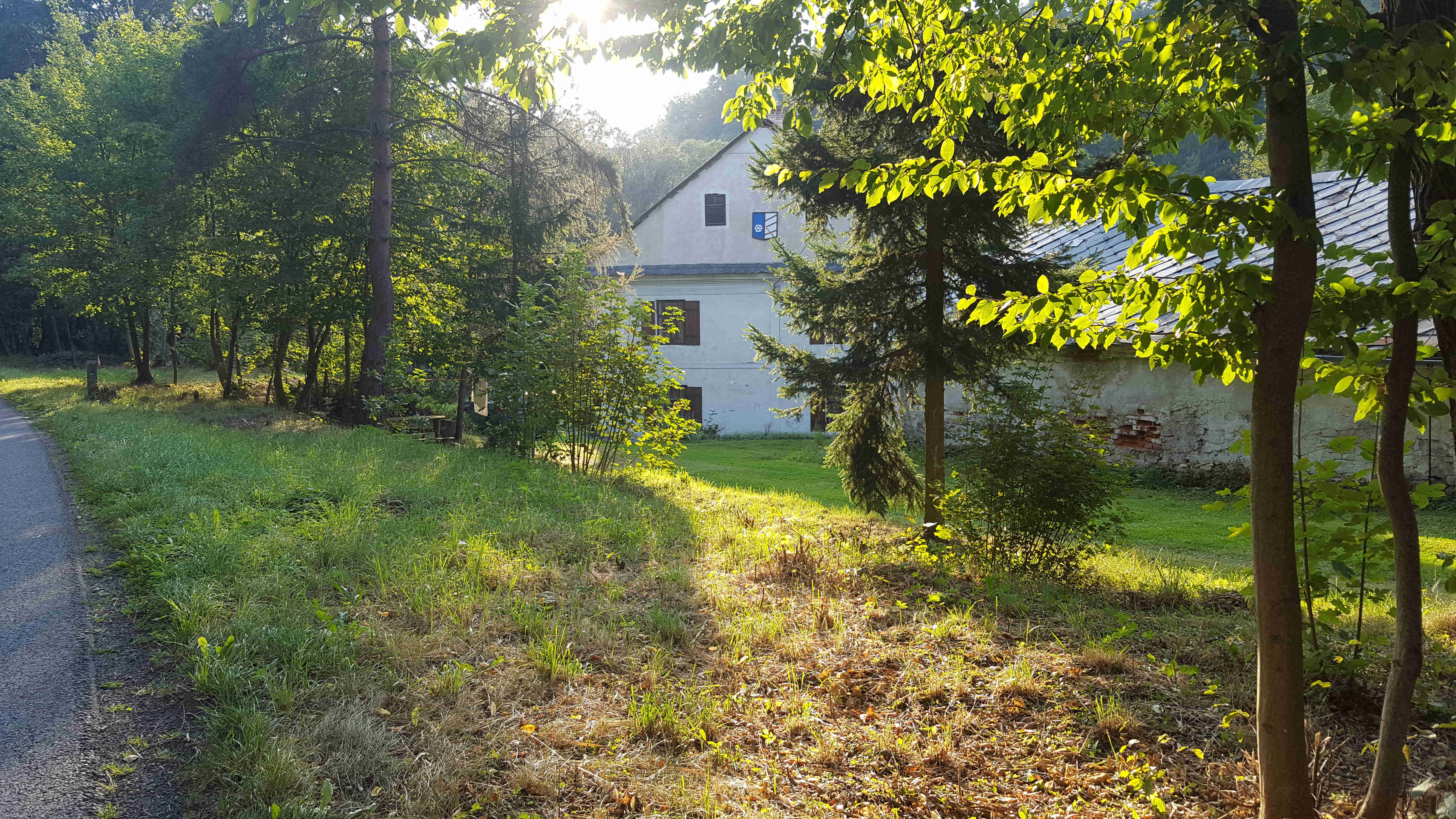
Balatka's mill – a living cultural heritage
Our old mill, Balatka's Mill, dates back to the 1500s and has stood firm through five centuries of wars, revolutions, migrations and technological changes. It is a living reminder of the region’s rich history and has played a central role in the local economy for centuries.
Early history
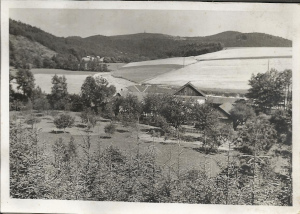
Our old water mill has had many names over the years, but the one that stuck in popular memory and history books is Balatka's Mill, a name that comes from the Balatka family who owned and operated the mill for most of the 19th century. One of the sons, Jan, got involved in the 1848 uprising against the Austro‑Hungarian Empire and, after it was crushed, fled to America where he later founded a music school and became a fairly well‑known composer.
The mill’s history actually began long before that. The first mention in historical sources is from 1545 and it is believed that the mill was built around 1530. Over the centuries the mill has been rebuilt and renovated countless times. Unfortunately extensive flooding in Litovel in 1997, where the local area archives were stored, means most historic documentation about the mill was destroyed. Making it virtually impossible to know exactly how the mill has developed over the years.
Modern history
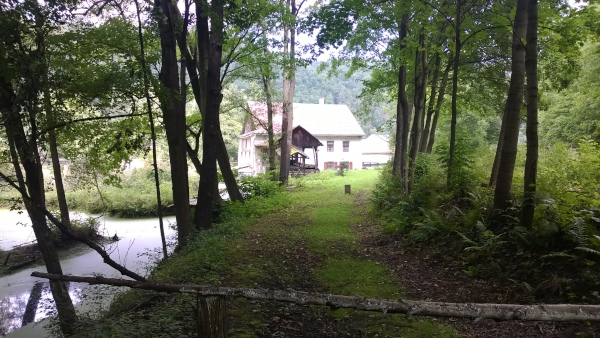
The mill was in operation until 1951 when it was shut down after the communists took power in Czechoslovakia. Among other things it was decided that the intake channel from the Třebůvka River would be filled in and the weir removed as part of flood‑control measures upstream. At that time the mill belonged to the Valašek family; surprisingly they were allowed to remain owners but could no longer use the mill for production. The mill fell into rapid disrepair, especially because it was later used by the local JZD collective farm, which even raised geese in what is now our living room… The one who seem to have saved the buildings from total ruin was the high‑ranking military officer Havala, who bought the mill in 1978 and carried out a series of renovations, mainly replacing roofs. Rumour has it that Havala used military helicopters to lift roof beams and building materials when the main roof was being replaced. The general only stayed at the mill occasionally but managed to complete several essential renovations. He also arranged for electricity to be brought in.
Present
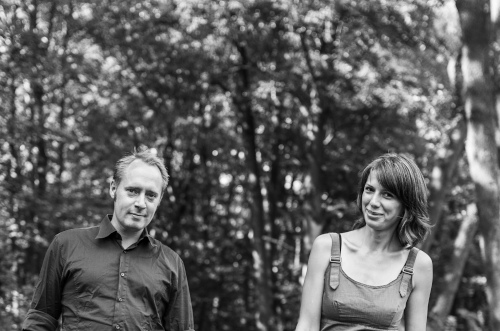
Now we – Helena and Nils – have taken over the mill and want to preserve and build upon this wonderful cultural heritage. We have roots in both the Czech Republic and Sweden and ended up here almost by accident. From the very first moment we realized what kind of living environment we could create here for ourselves and for our children to grow up in. We now want to show that it is possible to live a good life in the countryside. Living in the middle of nature and in close cooperation with Mother Earth is among the most meaningful things one can do, even though she can be harsh and a little stubborn at times. We also want to keep the story of this place alive for future generations. We know we still have a good way to go before our little paradise is completed, but the journey itself is the goal.
We hope the glamping you stay at becomes an appreciated way for us to share this little unfinished paradise with you and also give us a little push along the way.
Cultural heritage in the vincinity
The Třebůvka Valley, where Old Mill Glamp is located, has been an important trade route between Olomouc and Prague (via Pardubice and Hradec Králové) since ancient times. Consequently there has always been fighting over every hill in the area and every ambitious ruler has wanted to control the valley, preferably by building a mighty castle on top of one of the disputed hills. One of the most successful was Búz, who in the 13th century erected Bouzov Castle (see the next section, where this masterpiece speaks for itself). Castles and castle ruins are a large part of the cultural‑historical landscape in the area, but there are also small picturesque mountain villages, religious monuments and, not least, old water mills to explore nearby. Below is a selection of what can be seen in the surroundings.

Hrad Bouzov
Bouzov Castle is an old fortress from the 13th century and is one of the most famous in the whole of the Czech Republic. When you get there you will understand why. What makes this castle special is not only its imposing location and the absolutely stunning panorama from the tower, but perhaps primarily the fact that it was completely restored (in medieval style) at the beginning of the 20th century and therefore is in better condition than many other castles and palaces. Archduke Eugen Ferdinand of Austria was a grand master of the Teutonic Order, which owned the castle for a long time. He had a keen eye for this beautiful area and its people (he even learned Czech!) and therefore financed the restoration of the castle out of his own pocket (which, judging by the scale of the project, could not have been small). This masterpiece must not be missed.
Guided tours in Czech are offered several times a day – non‑Czech speakers receive a paper guide in a language of their choice.
By car: 9 min (≈ 6 km)
By bike: 25 min (≈ 5 km)
On foot: 90 min (5 km)
Loštice
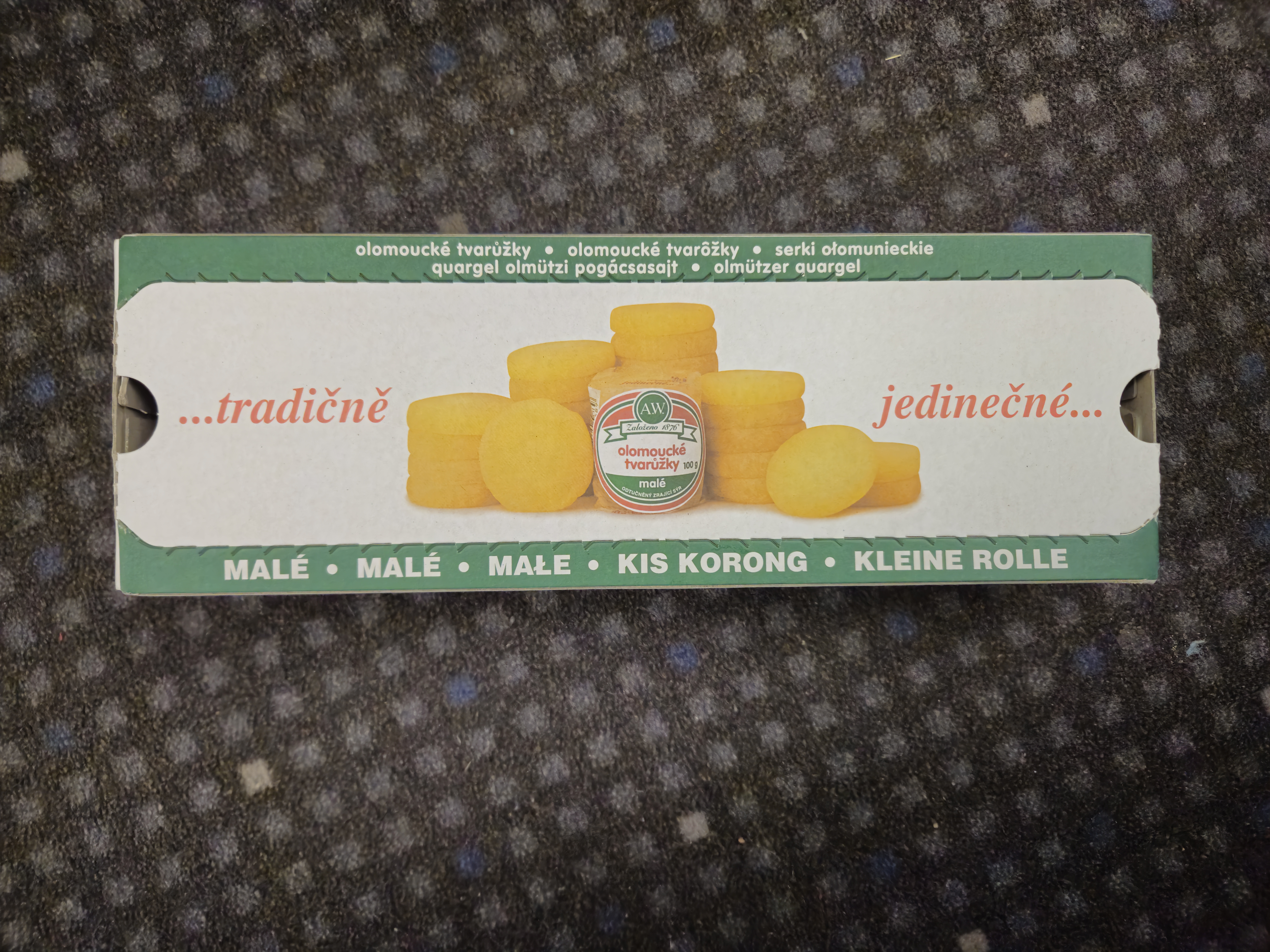
Loštice is a small cozy town nearby where you can experience genuine Czech life. It is best known for its special cheese Tvarůžky (quark cheese) which has its own museum and used to be supplied to the royal Habsburg court for many years. Here you can enjoy traditional Czech food, preferably featuring Tvarůžky, in a traditional Czech restaurant setting at U Coufalů or relax at the charming café U Lišky Bystroušky. There is also a nice synagogue you can visit.
By car: 10 min (≈ 10 km)
By bike: 35 min
On foot: 3.5 h (11 km)
Cimburk
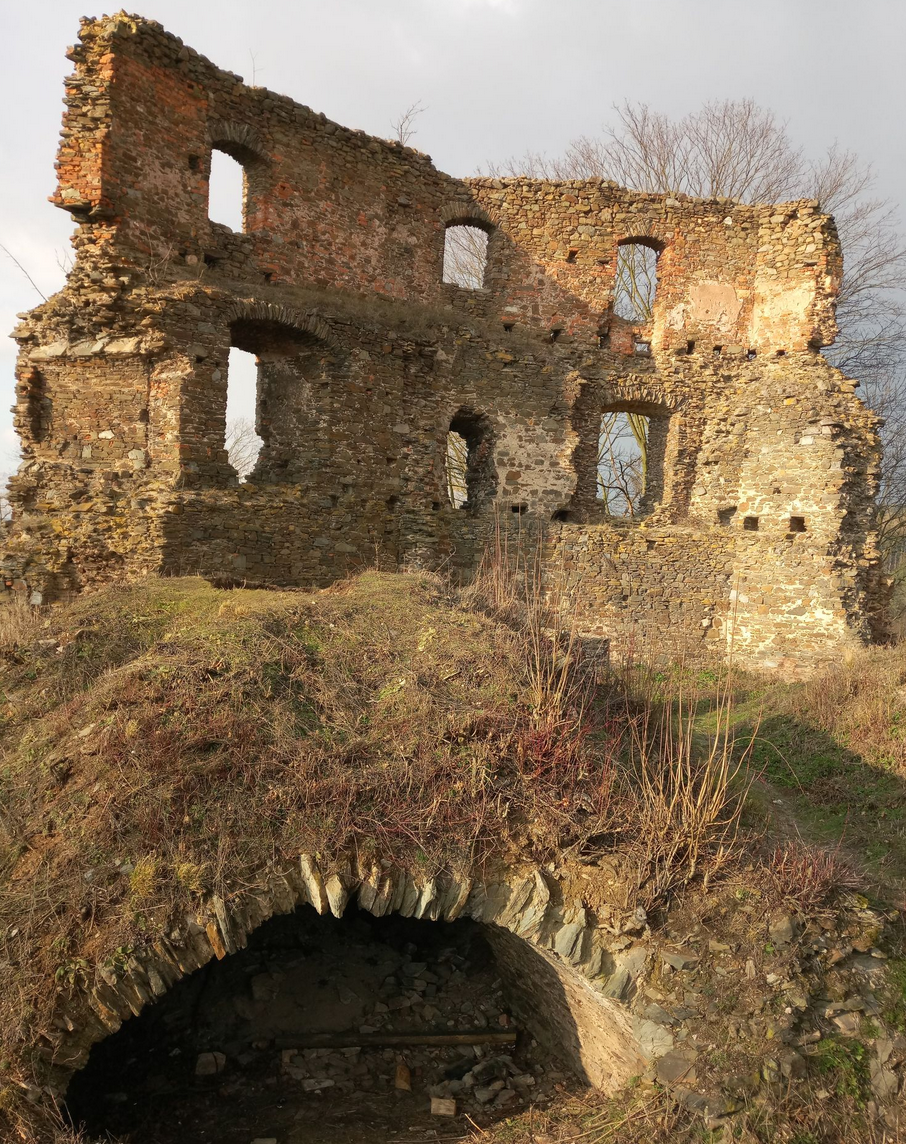
Following the Třebůvka River upstream (westwards) through the picturesque valley you eventually reach “Malá Haná”, a narrow plain that stretches north‑south and lies squeezed between the Zábreh plateau and the Svítavy highlands. The old castle ruin Hrad Cimburk sits high on a steep cliff, watching over the plain like a hawk. Relatively unknown, you will likely discover it on your own. Excavations in the 1930s uncovered a silver treasure containing more than 2 500 silver coins. Legend says the white lady watches over the ruin every night. It is a fair distance away, but there is a superb marked hiking trail directly from Old Mill Glamp to Cimburk. The trail climbs over the hills and offers breathtaking views over the Třebůvka Valley. You also pass the magical little mountain village Nová Roveň, where it feels like walking a hundred years back in time.
By car: 14 min (13 km)
By bike: 50 min (13 km)
On foot: 3.5 h (11 km)
Javoříčko
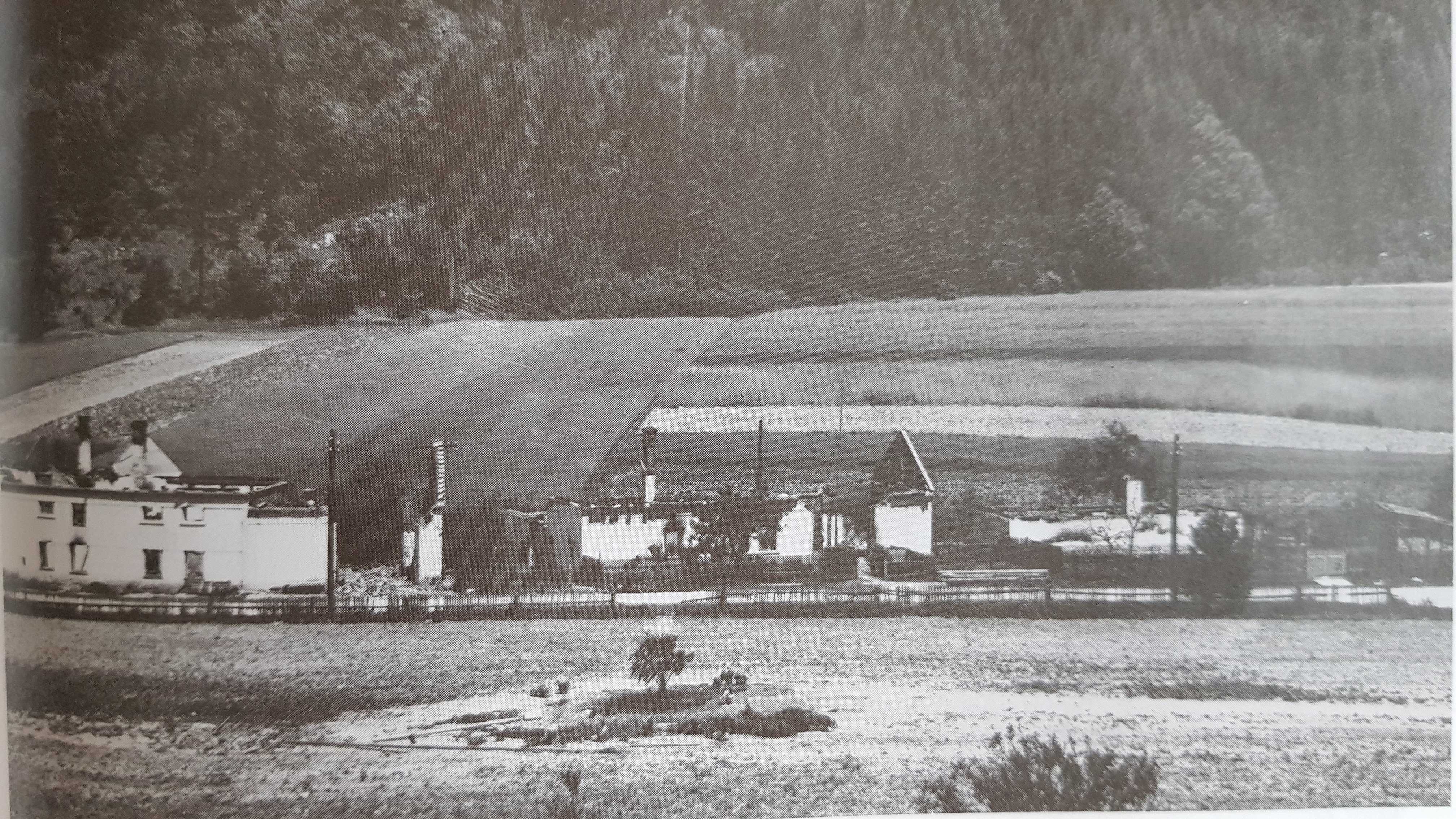
The village of Javoříčko, not far from Javoříčské Jeskyně, is known not only for its' caves but also for one of the darker episodes in Czech history. Partisan fighters from the Czech resistance and from the Red Army hid here during World War II. When the local German occupation force, headquartered in Bouzov Castle, learned of this, they burned several houses and executed 38 men of various ages. During the communist era a majestic monument was erected in memory of the victims; today it stands as a poignant witness to the turbulent history of the region. The monument, with typical communist features, is interesting in itself from a stylistic point of view.
By car: 17 min (14 km)
By bike: 40 min (9,5 km)
On foot: 2,5 tim (8,5 km)
Valáškův Grunt
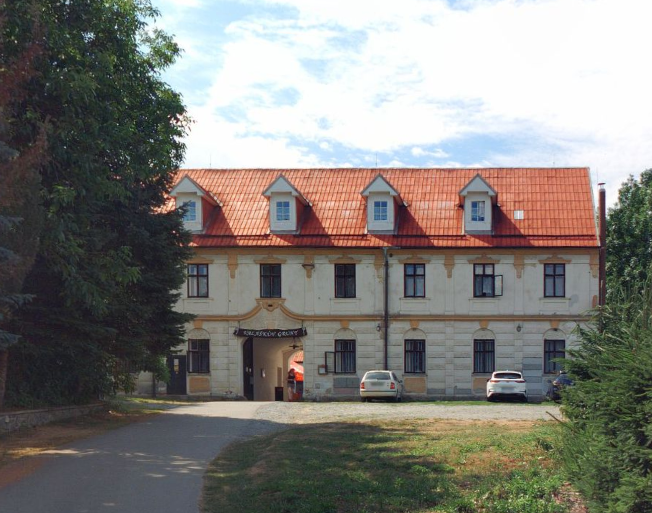
Just a stone’s throw from Old Mill Glamp lies Valáškův Grunt, today a hotel and restaurant. Originally, the building was a small castle belonging to Bouzov Castle and was purchased by the Valášek family in the 1800s. It served as an education centre during the communist period, and in the early 2000s it became the hotel and restaurant you see today. The restaurant offers traditional Czech cuisine, beer and a lovely courtyard for outdoor dining when the weather permits.
By car: 2 min (1 km)
By bike: 4 min (1 km)
On foot: 20 min (1,5 km)
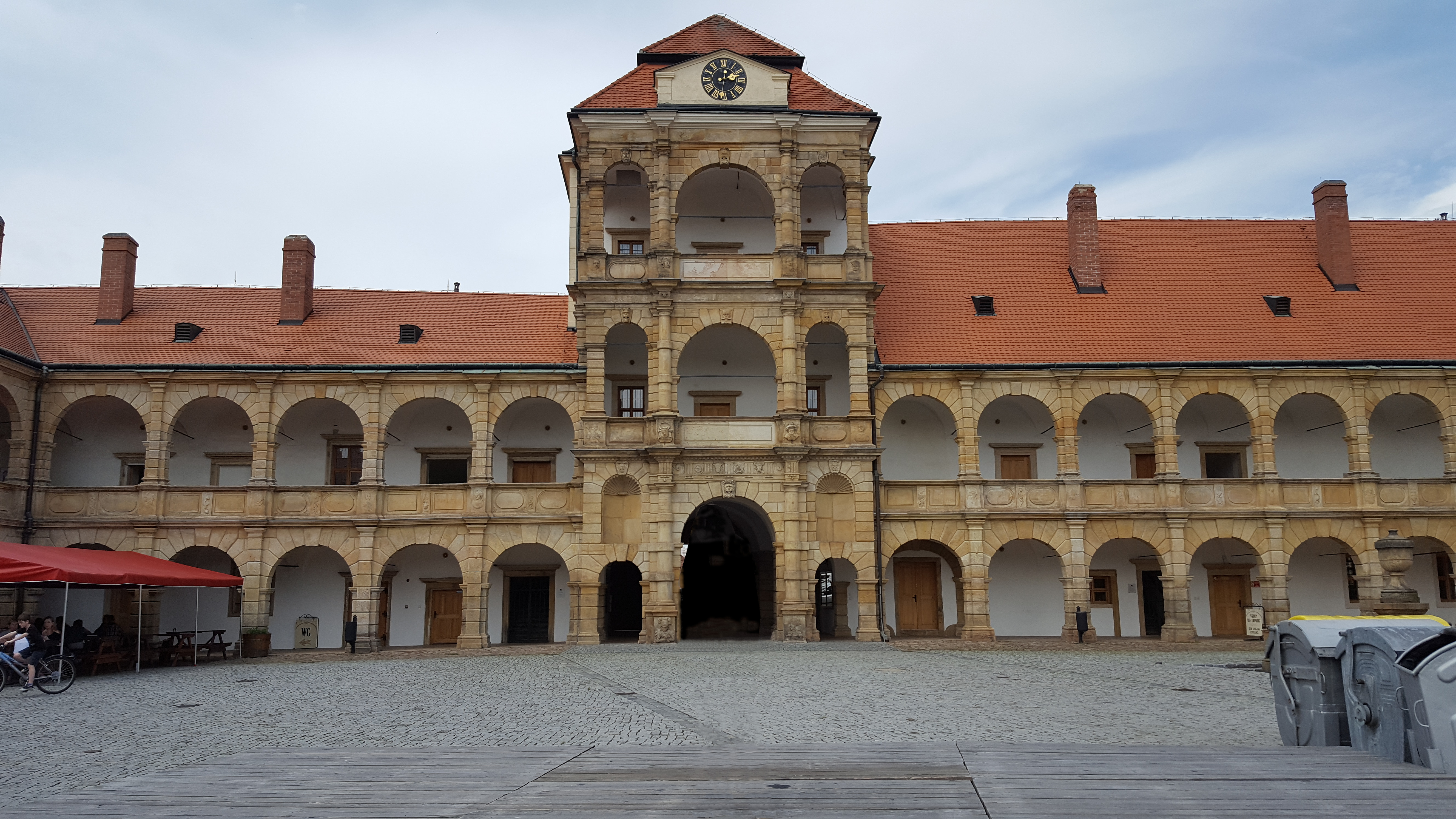
Moravská Třebová Castle
The Třebůvka River takes its name from the town of Moravská Třebová, where it rises, and there you’ll find an interesting Renaissance castle that’s worth a visit. The town itself is also worth seeing — a fairly typical Czech small town with several fine historic buildings and a picturesque square. In the castle park there are great paths for inline skating, and if you’re up for a short one‑hour hike, the Pastýřka observation tower is recommended, offering a truly charming view over the surrounding landscape.
By car: 21 min (20 km)
By bike: 75 min (20 km)
Cultural heritage in the region
The region has a long and rich history with many small, cozy towns from the Middle Ages. The large, fertile agricultural plain of Haná east of our mountainous area and the smaller but also fertile plain of Malá Haná just 13 km west have made the region a historically attractive dwelling place. As in other parts of the Czech Republic, ethnic and religious tensions, mainly with the neighboring countries Austria and Germany, have shaped the region’s development. Already in the early 15th century, Catholics, heavily influenced by the Holy Roman Empire, fought on one side against followers of the reformer Jan Hus on the other. Two centuries later, during the Thirty‑Years’ War, the region was hard‑hit by the conflict between Catholics and Protestants, and it was also at this stage that the Austrian occupation began, persisting until the First World War. A fairly large part of the region, especially the northern areas, was considered part of the Sudetenland — that is, territories with a substantial German‑ethnic and German‑speaking population up and until World War II. The German influence, and especially the fact that many German speakers were expelled after World II, have left a lasting imprint on the region’s architecture, culture and demographics. From a modern perspective it is almost incomprehensible that, up until the end of the war, there were villages less than a kilometre apart where one was essentially entirely “German” and the other entirely “Czech.” A striking example is the towns of Mohelnice and Loštice, which lie only 2.5 km from each other. Mohelnice was a wholly “German” town and Loštice wholly “Czech". Even though Mohelnice is now completely “Czech,” the two towns feel markedly different. The region also had a significant Jewish population that suffered greatly under the Nazi occupation. Today a living, active Jewish minority remains, but, as elsewhere in the Czech Republic, it is evident how traumatic World War II was for Czech society.
Here's a list of some of the interesting places the region has to offer.

Litovel
Litovel is a small, cozy town with roots dating back to the 13th century. It is best known for its namesake brewery. Around the historic town centre runs an old defensive wall, and in the market square stands the town hall tower, from which you get a delightful view over the surrounding plain. Sometimes Litovel is called “the Venice of the Haná Plain” because the whole town is a maze of canals and river arms through which the Morava River winds its way around and through the settlement. In 1997 Litovel was hit hard by one of the worst floods in several hundred years. As a curiosity, the legendary strong‑man, wrestler and generally eccentric personality "Gustav Frištenský" lived and worked in Litovel for many years and left a cult‑like imprint on the town. For history enthusiasts, Litovel was also the site of a brutal destruction carried out by the Swedish army under General Lennart Thorstensson during the Thirty‑Years’ War. A stone memorial at the western entrance to the old town commemorates this event.
By car: 25 min (23 km)
By bike: 80 min (20 km)

Olomouc
Olomouc is the nearest larger city, with just over 100 000 inhabitants and about half a million people in the entire metropolitan area. It is also the capital of the region that shares its name (Olomoucký kraj) and, of course, is on UNESCO’s World Heritage list. The city is a true gem with a long and rich history, especially linked to the church. It is somewhat like a miniature Prague but is usually not invaded by tourists. Over the centuries, however, Swedes, Germans, Romans, Russians, Austrians and many others have invaded Olomouc because of its strategic location in the middle of the plain that stretches from the Danube in the south up to Poland in the north without passing any notable mountain ranges. This ancient trade route is called the “Moravian Gate” and has always been coveted by geopolitically ambitious powers. The city also has a university that has been active since the 1500s, giving Olomouc a youthful, vibrant cultural life.
By car: 35 min (40 km)
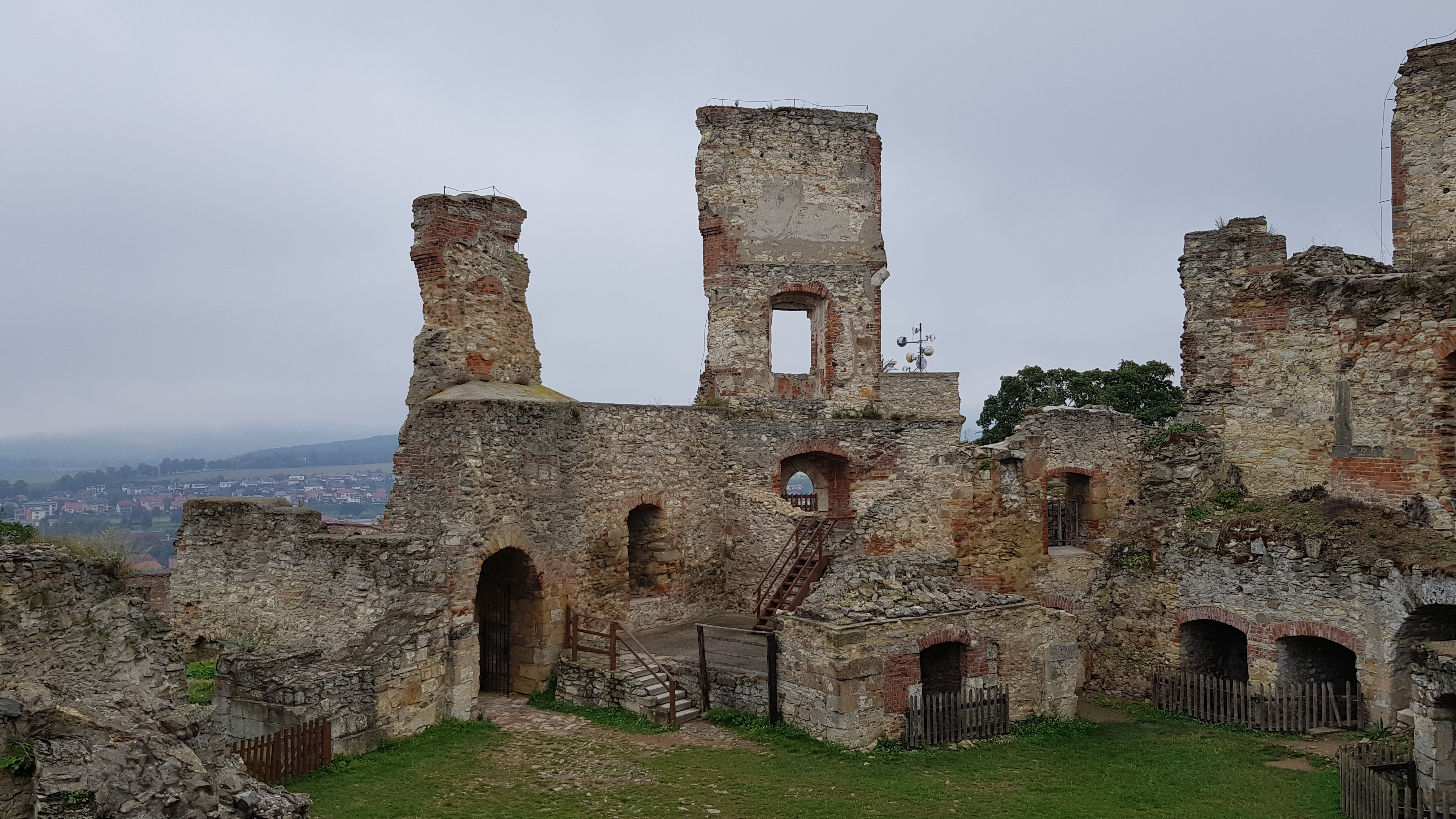
Boskovice Castle
Boskovice Castle sits spectacularly atop a cliff, overlooking the town of Boskovice below. The name “Boskovice” could be interpreted as “the place where people walk barefoot”, and according to legend the castle was founded by a poor hunter named Velen who helped a Moravian prince from Brno who had become lost in the forest. The grateful prince richly rewarded the humble hunter, who then built the castle yet chose to continue walking barefoot. The castle is not far from the Moravský Kras nature reserve.
By car: 40 min (35 km)
By bike: 180 min (35 km)

Brničko Castle Ruin
Not far outside the small, cozy town of Zábřeh na Morávě, which is itself worth a visit, lies a relatively modest but beautifully situated castle ruin called Hrad Brničko. According to legend, the castle was already destroyed in the 16th century by the Hungarians, merely 200 years after it was built.
By car: 34 min (31 km)
By bike: 120 min (34 km)
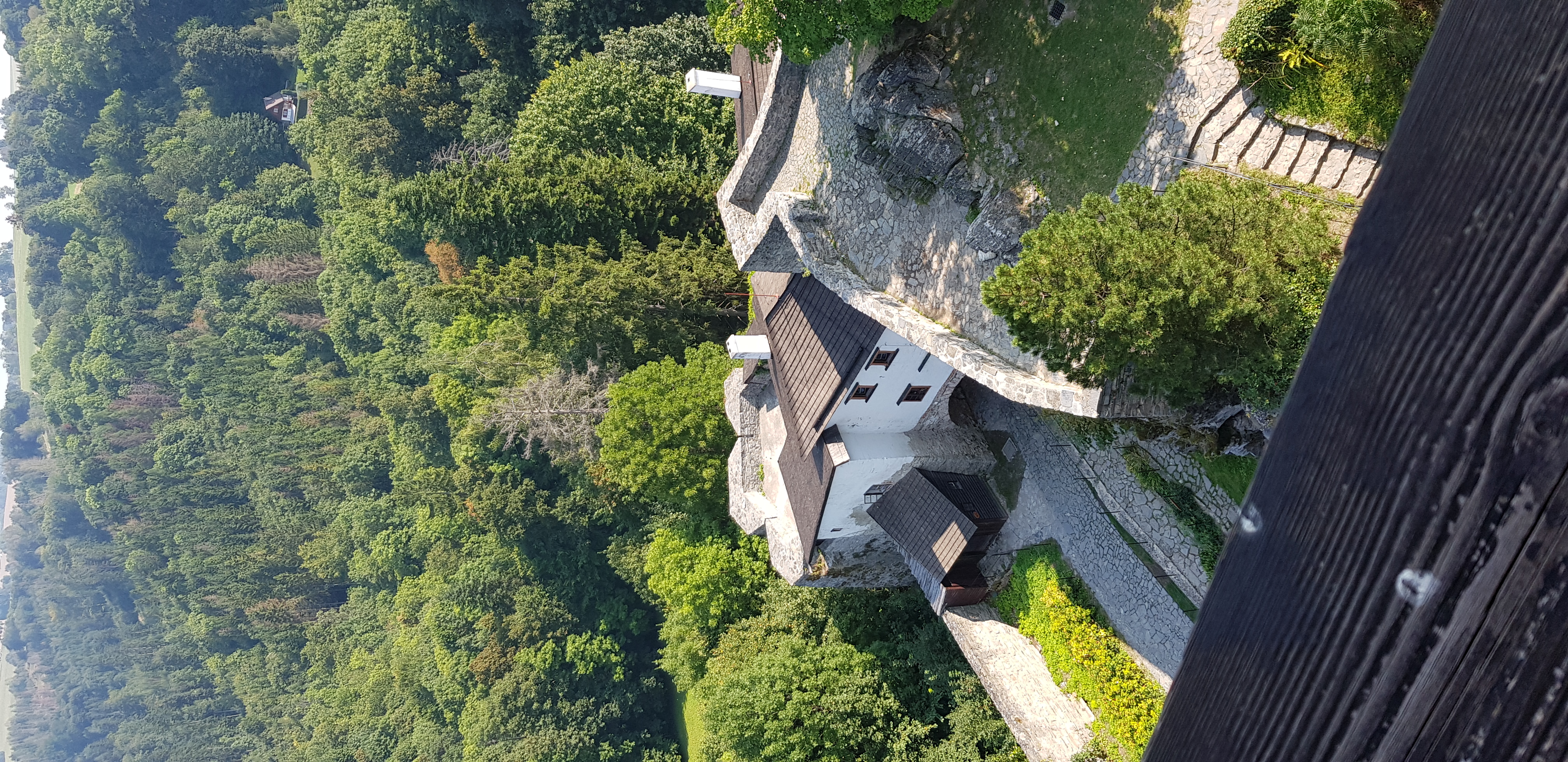
Sovinec Fortress
Hrad Sovinec is a truly mighty and utterly fairy‑tale medieval castle. “Sovinec” means “owl’s hideout” and when you arrive there you immediately understand why. The fortress was captured during the Thirty‑Years’ War first by the Danes in 1626 and later, in 1643, by the Swedes, who used it as a local headquarters. It is impressive that anyone could ever take such a stronghold, but the Swedes apparently exploited ongoing construction work that had weakened a wall and with a night‑time surprise attack they breached the wall with artillery and then assaulted it with storm troops.
If you want to combine a visit to the castle with a nature experience, the Rešovské Waterfalls are only 9 km away, offering a fantastic nature hike.
By car: 47 min (45 km)
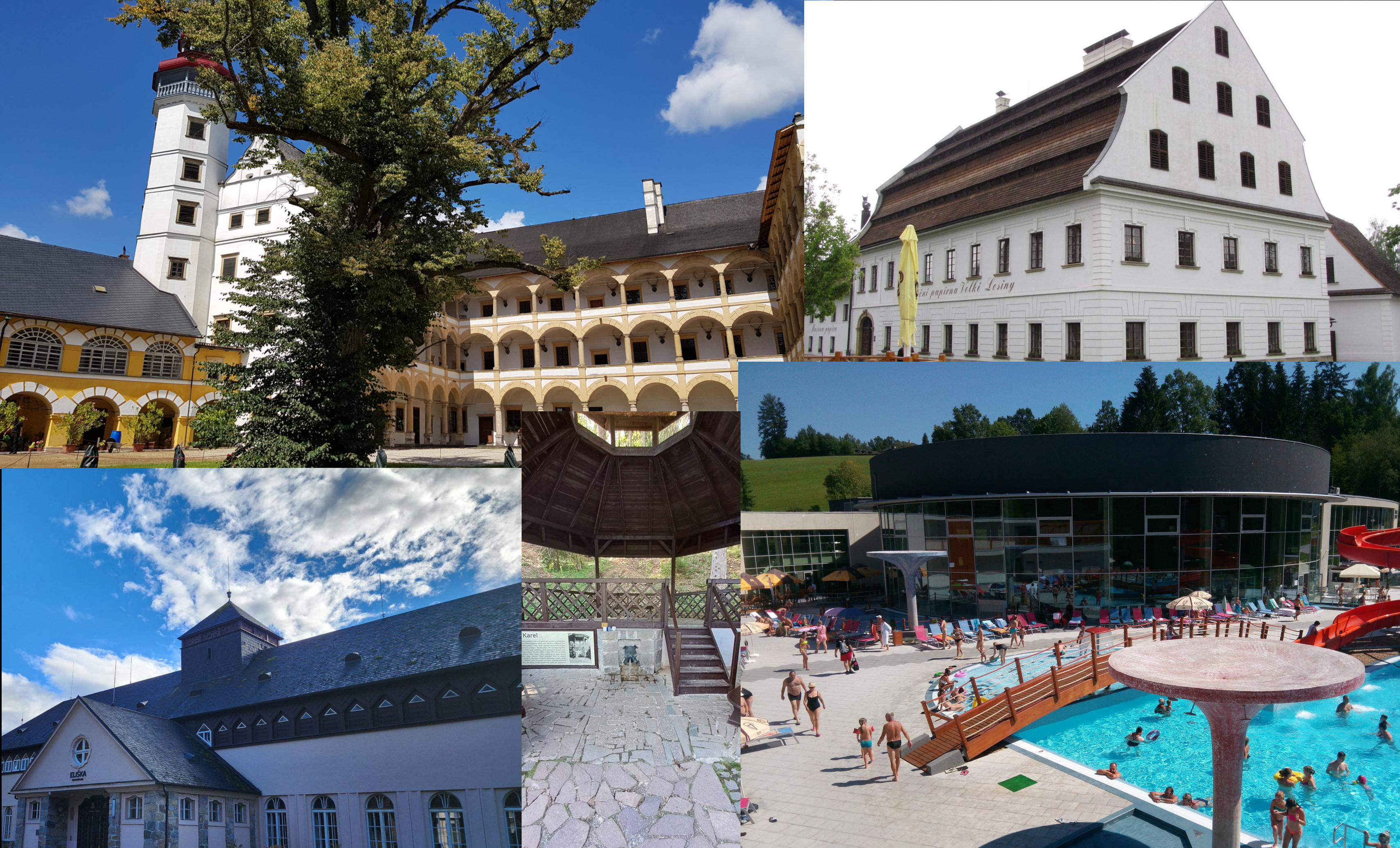
Velké Lošiny
Besides the well‑known Handmade Paper Mill, visitors to Velké Lošiny can also see the elegant Velké Lošiny Castle, or try soaking in the hot springs at the town’s famous spa resort Therme Lošiny. The surrounding area offers plenty of fine nature and opportunities for hiking, for example Bukový kopec.
By car: 53 min (51 km)
Dlouhé Stráně
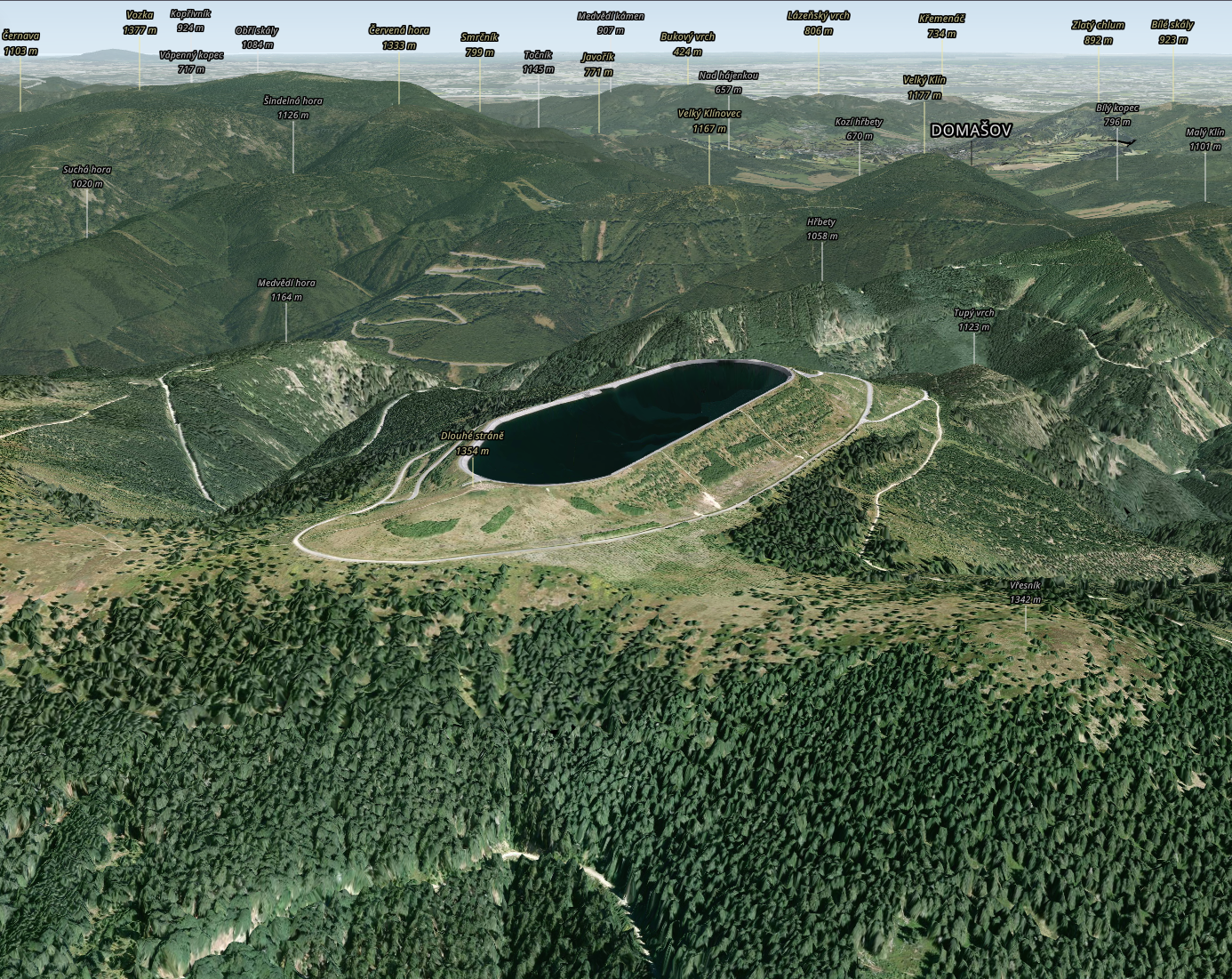
In the middle of the Jeseníky massif, a daring project was undertaken at the end of the 1970s. The plan was to cut off a mountaintop, build a reservoir there, and install a pump station and a lower‑lying reservoir in the valley to store hydro‑electric energy. This resulted in Dlouhé Stráně, a pumped‑storage hydroelectric power plant that is still in operation today. Two 325 MW turbines can be used to pump water up the mountain when there is excess electricity, and when there is a shortage of power the water is released back down, generating electricity with the same turbines. The 511 metre head difference between the upper and lower reservoirs provides a strong hydraulic pressure.
Cars are not allowed to drive all the way up to the upper reservoir, but shuttle buses are available. It is also perfectly feasible to hike or cycle up to the site. The view from the top is spectacular!
By car: 63 min (61 km)
Karlová Studánka
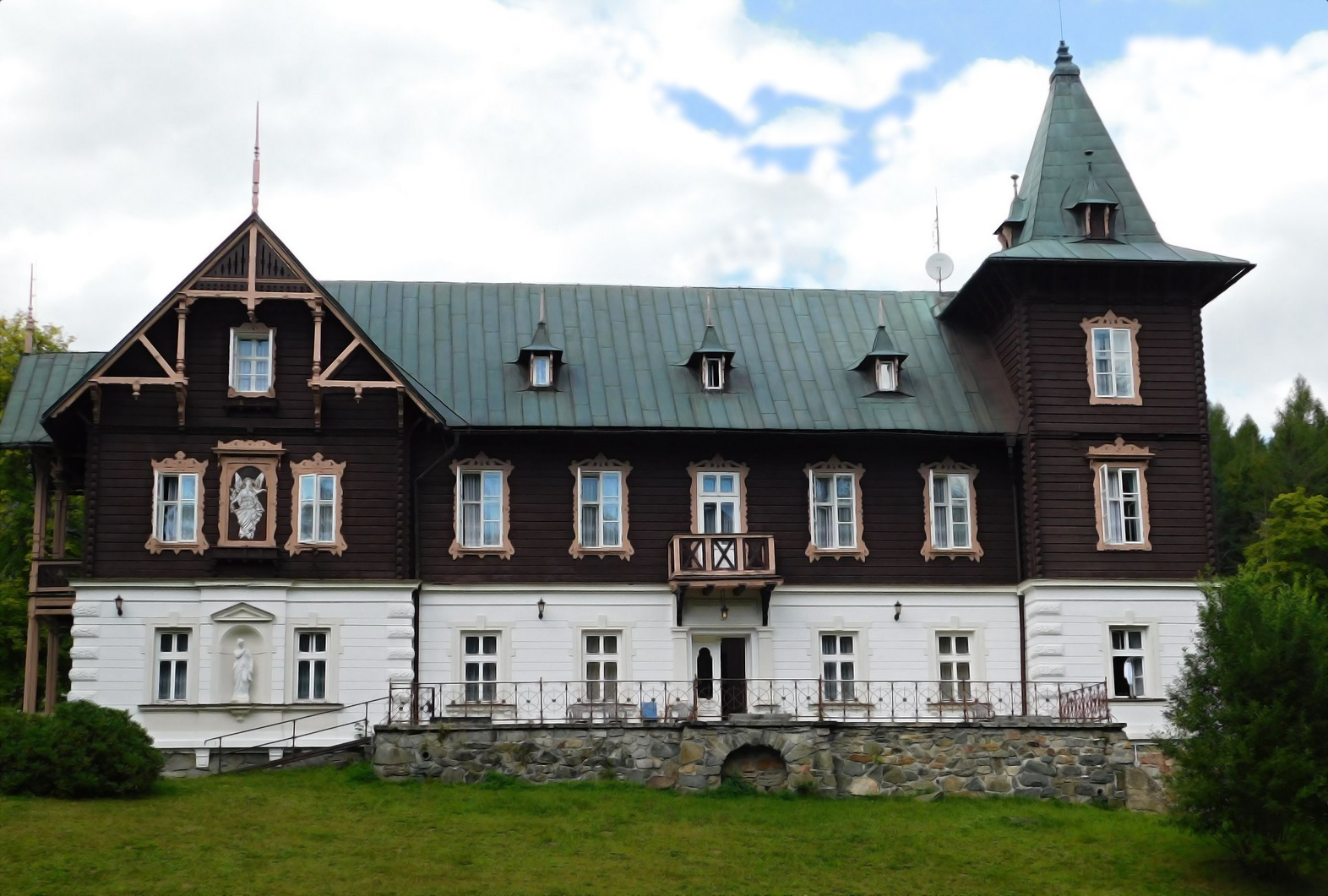
In the Jeseníky mountain region lies a small, cozy resort, Karlová Studánka, which is a wonderful cultural heritage site while also being an ideal place for relaxation, hiking or cycling in the mountains and simply enjoying life. The highest peak in the Jeseníky, Praděd (1,491 m), is only a 2.5‑hour hike (9 km) away.
By car: 82 min (73 km)